HPC · Workshop · Education · Hands-on
Duke IEEE Hosts 2-Day HPC Workshop on Campus
Austin Harrison · October 2026 · 4 min read
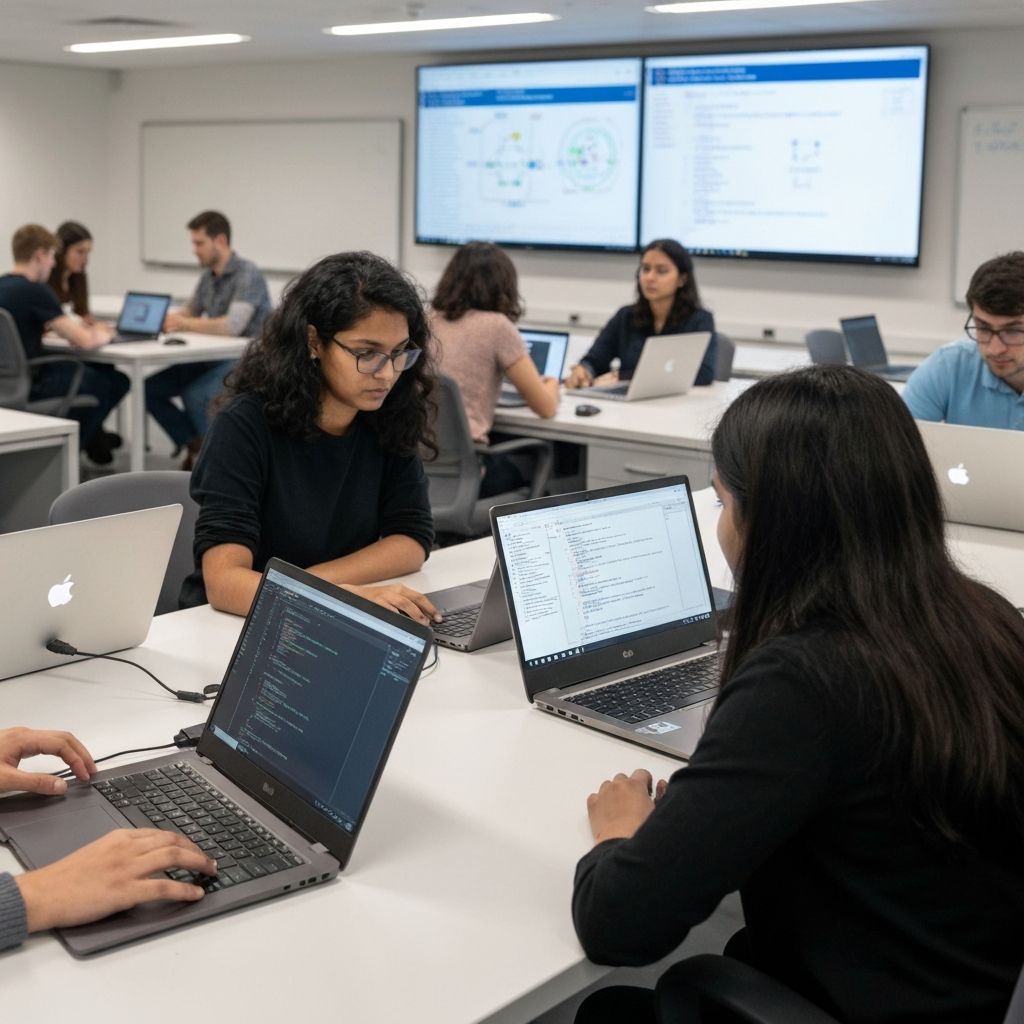
Duke IEEE brought high-performance computing education directly to campus with a comprehensive two-day workshop designed to give students hands-on experience with the tools and techniques used in modern HPC environments.
Workshop Overview
The workshop covered a range of topics essential for anyone looking to work with high-performance computing systems. Over two intensive days, participants learned about parallel programming paradigms, GPU acceleration, and cluster management—all with hands-on exercises using real computing resources.
What Students Learned
Day 1 focused on foundational concepts:
- Introduction to parallel computing architectures
- MPI (Message Passing Interface) basics and patterns
- OpenMP for shared-memory parallelism
- Performance analysis and optimization strategies
Day 2 covered advanced topics:
- CUDA programming for NVIDIA GPUs
- Job scheduling with SLURM
- Containerization with Singularity for HPC
- Best practices for reproducible research computing
Hands-On Learning
“We wanted students to leave with practical skills they could immediately apply. Every session included coding exercises, and by the end of the workshop, participants had written parallel programs that ran on actual cluster resources.”
Community Impact
The workshop attracted over 40 students from ECE, Computer Science, and related departments. Many participants noted that the hands-on format helped them understand concepts that had seemed abstract in coursework.
“I've read about parallel programming in textbooks, but actually writing code that runs across multiple nodes made everything click.”
Learn More
For more information about our HPC workshop series, including materials from past workshops and announcements for future events, visit our dedicated workshop site.
Workshop Resources
Access workshop materials, slides, and code examples at our dedicated workshop site.
Visit workshop.dukeieee.org →