Space · Satellite · Industry · Professional Development
Duke IEEE at SATELLITE 2026: Connecting Students to the Future of Space
Sanjeev Chauhan · March 2026 · 12 min read
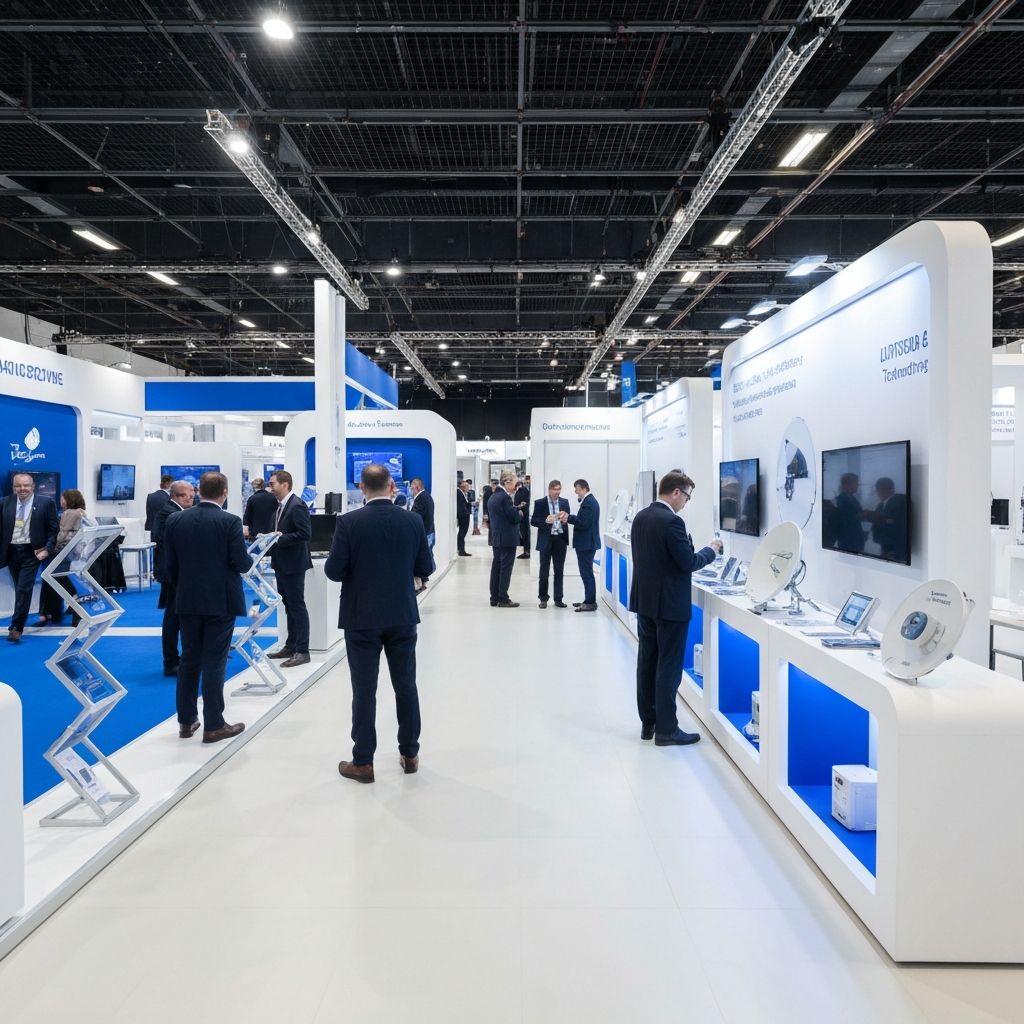
SATELLITE 2026 could not be landing in a more fitting place than Washington, DC—and for Duke IEEE, there could not be a better moment to step directly into the heart of the satellite and space industry. This year, our chapter is bringing a cohort of students to SATELLITE (SATShow Week) as part of a focused professional development initiative, connecting Duke's emerging talent with the ecosystem that is rapidly redefining global communications, security, and commerce.
Why SATELLITE Matters Now
SATELLITE 2026 is one of the flagship global gatherings for the satellite and broader space sector, hosted March 23–26 at the Walter E. Washington Convention Center in Washington, DC. The event unites satellite operators, launch providers, terminal and antenna manufacturers, ground segment innovators, financing and insurance, and a large government and defense presence under one roof.

This year's program places particular emphasis on integrating commercial innovation with national security and government needs, including themes like resilient multi-orbit communications, secure satellite architectures, and hybrid terrestrial–non-terrestrial networks. For students interested in communications, RF, autonomy, security, and climate applications, this is where technology, policy, and real-world deployment intersect in the same hallway conversation.
Duke's Deep Roots in Satellite Innovation
Duke's connection to the satellite industry is not new—it is embedded in the university's leadership in metamaterials and advanced antenna design. Professor David R. Smith, James B. Duke Distinguished Professor of Electrical and Computer Engineering, has led pioneering work on metamaterials and metasurface antennas that directly underpin modern satellite communications platforms.
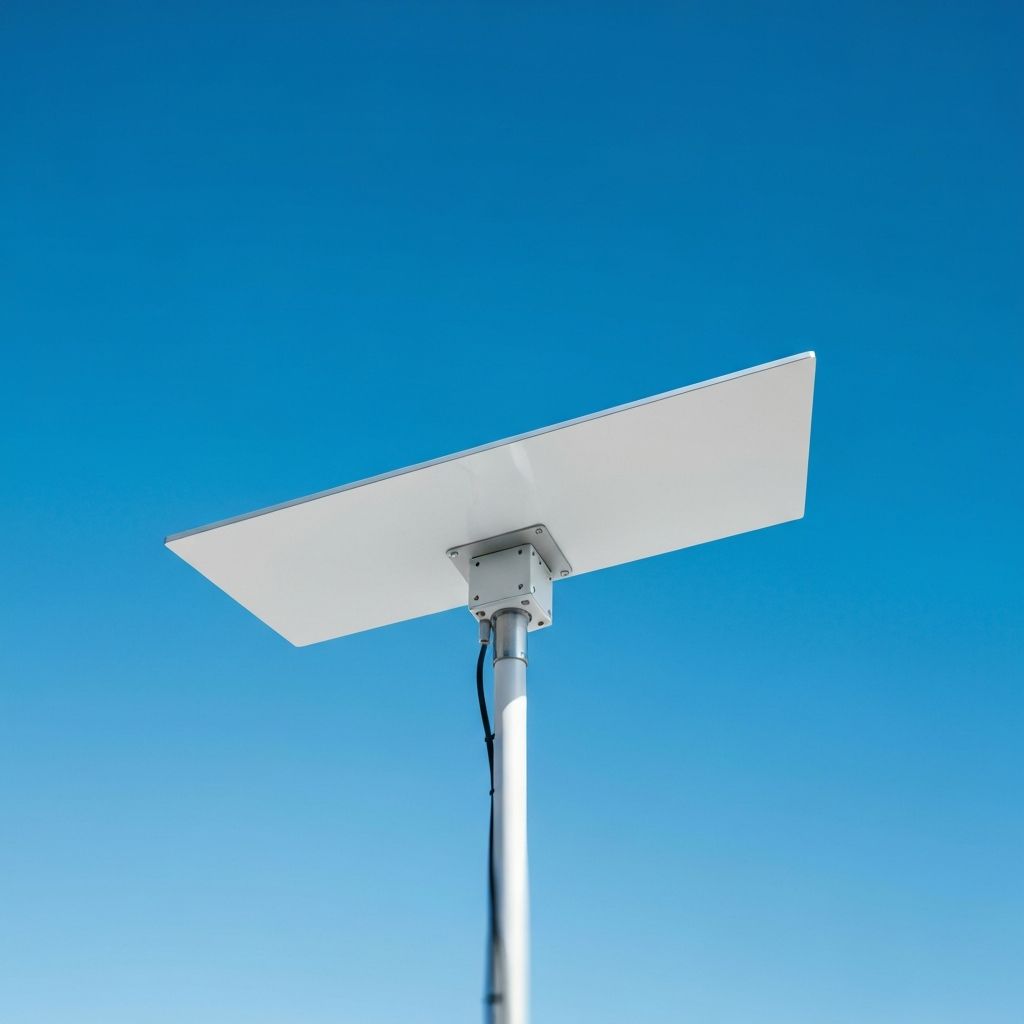
Kymeta Corporation, founded to commercialize metamaterial antennas for satellite connectivity, traces core technology and talent back to Duke. The company's flat-panel, electronically steered antennas were built on metamaterial concepts developed in the Smith group and have attracted partnerships with major players across mobility and communications. Duke alumni such as Nathan Kundtz have played central roles in translating these lab-scale innovations into deployable satellite connectivity products, reinforcing a pipeline from campus research to space-industry impact.
Learning from Practitioners: Duke IEEE and the Naval Research Lab
Within Duke IEEE, a major focus has been exposing students to practitioners who operate at the intersection of cutting-edge engineering and mission-critical applications. The chapter recently hosted Bill Raynor from the U.S. Naval Research Laboratory's Naval Center for Space Technology, where he helps oversee spacecraft engineering, integration, and test activities. His work spans the complex environments spacecraft must survive—thermal vacuum, RF performance, vibration, acoustics, and more—providing students with a realistic picture of what it takes to get hardware from the lab bench to orbit.
That conversation underscored an important lesson for Duke students: space is not just about bold ideas; it is about rigorous engineering, qualification, and systems thinking. As Duke IEEE heads to SATELLITE, the group is building on that foundation by having students actively interview professionals across industry, defense, and startups about how ideas scale into resilient, operational systems in space.
Duke Aero and the Broader Flight-to-Orbit Pipeline
The Duke Aero community—spanning student teams working on aircraft, UAVs, rocketry-adjacent projects, and autonomous systems—forms another bridge between campus and the space sector. While many Duke projects begin in the realm of atmospheric flight, the underlying skill sets in controls, propulsion-adjacent systems, structures, autonomy, and RF/communications map naturally into the satellite and launch ecosystem.
As low-Earth orbit becomes increasingly congested and satellite architectures become more software-defined and responsive, the boundary between "aerospace" and "space systems" continues to blur. Duke Aero and related engineering groups give students practical experience with multidisciplinary design and flight-like constraints, making SATELLITE an ideal venue to see how those same principles play out at orbital scale.
A Gap in the Curriculum—and How Students Are Responding
Despite Duke's world-class research in metamaterials, communications, and remote sensing, there is relatively limited formal undergraduate curriculum dedicated specifically to space systems and satellite engineering. Many students interested in space and satellite careers piece together their own pathway through RF, controls, embedded systems, data science, and policy courses, supplemented by research, clubs, and internships.
That gap is also an opportunity. By organizing a coordinated presence at SATELLITE, Duke IEEE is giving students a way to "major in space" experientially—through direct exposure to industry roadmaps, system architectures, regulatory debates, and career paths that are not yet fully captured in a traditional course catalogue. The chapter's goal is to take lessons, contacts, and interview content from SATELLITE back to campus and translate them into mentorship, technical talks, and guidance for future students who want to navigate into the space sector.
Students as Reporters and Translators
During SATELLITE 2026, the Duke IEEE delegation is not just attending sessions; the students are actively documenting what they learn. They will be:
- Conducting short, focused interviews with engineers, founders, and government leaders about key technical and career themes across the satellite value chain.
- Capturing insights on topics such as resilient multi-orbit networks, secure ground systems, AI at the edge in space, and climate and Earth observation applications.
- Translating these conversations into digestible content for the Duke community—blog posts, recaps, and technical debriefs that lower the barrier for peers who are space-curious but do not yet see the on-ramps.
In doing so, the students are effectively acting as a bridge between a global industry conference and a campus that is full of talent, but where "space" is still an emerging organized pathway.
The Future of Trade Is Moving Off-Planet
One of the most compelling reasons to bring students to SATELLITE is that satellite infrastructure is quietly becoming the backbone of 21st-century trade. Space-based communications, navigation, timing, and Earth observation already underpin logistics, finance, agriculture, energy, and global supply chains. As multi-orbit constellations, optical inter-satellite links, and software-defined payloads mature, the line between "internet infrastructure" and "space infrastructure" is disappearing.
Looking forward, several trends point toward trade itself increasingly moving into and through space:
- Orbital logistics and manufacturing: As launch costs fall and in-orbit servicing matures, orbital depots, refueling, assembly, and even specialized manufacturing will start to resemble trade networks—moving fuel, materials, and components between orbits rather than ports.
- Data as the primary export: Satellites already export data at global scale: climate and Earth observation datasets, maritime and aviation tracking, financial-relevant imagery, and broadband capacity. In many ways, the satellite sector is a data-export economy, selling latency, coverage, and insight rather than physical goods.
- Regimes and standards as "space trade policy": Spectrum allocation, space traffic management, debris mitigation, and cyber-secure architectures are becoming the equivalent of customs rules and shipping standards for orbital commerce. Engineers who understand both technology and policy will shape how fair, resilient, and sustainable that space-enabled trade system becomes.
For Duke IEEE students, SATELLITE is not only a venue to explore jobs; it is a front-row seat to how the rules and rails of tomorrow's commerce are being built.
Where Duke IEEE Goes from Here
This is the first year Duke IEEE is attending SATELLITE as an organized group, but the chapter's ambition is to turn this into a recurring and expanding program. The vision is to:
- Build a sustained pipeline from Duke labs, clubs, and classrooms into satellite and space careers, grounded in relationships with industry, government, and startups.
- Use each year's conference as a "pulse check" on where the satellite sector is heading—from non-terrestrial 5G to space security—and translate that signal into project ideas and speaker invitations back on campus.
- Help catalyze a more visible and coherent "space track" at Duke, tying together research groups, student organizations like Duke Aero, and alumni working across the satellite ecosystem.
The Satellite Show is where the industry gathers to decide what comes next—and Duke IEEE is committed to ensuring that Duke students are not just watching from the sidelines, but participating, asking good questions, and preparing to lead.